Understanding the Basics of Shower Base Selection
What is a Shower Base?
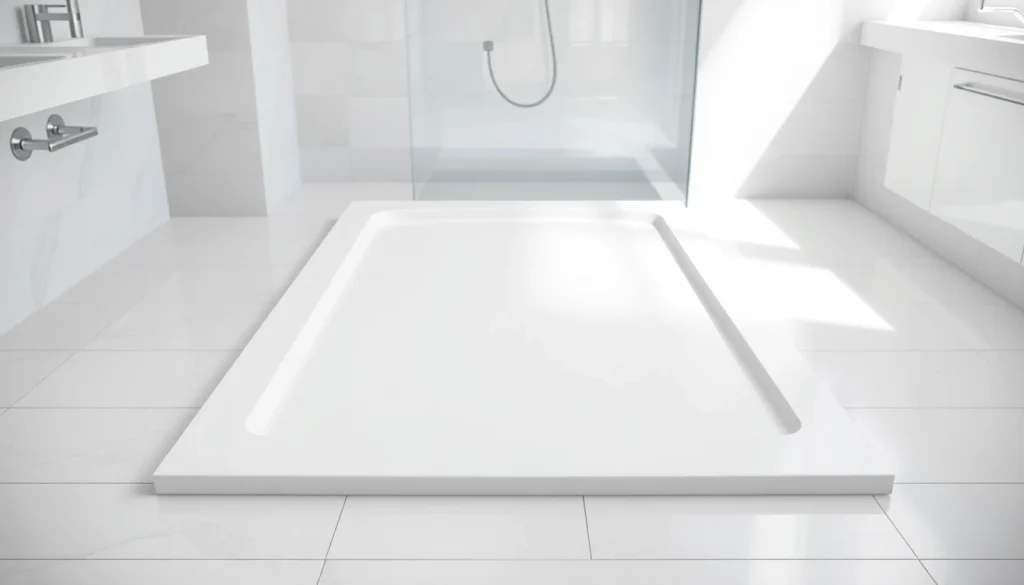
A shower base is a critical component of a shower enclosure, designed to collect and direct water into the drainage system while providing a sturdy foundation. It serves as the bottom surface of the shower and is engineered to keep water contained, preventing leaks and ensuring the integrity of your bathroom’s flooring. The choice of a high-quality shower base plays a significant role in the overall functionality and aesthetic of the bathroom.
Benefits of Installing a Shower Base
Installing a shower base comes with numerous advantages. First, it offers a waterproof barrier, protecting both the shower structure and adjacent areas from water damage. Second, a shower base simplifies the cleaning process by providing a smooth surface that can be easily wiped down. Additionally, many designs are slip-resistant, enhancing safety during use. Finally, the installation of a shower base can boost the aesthetic appeal of your bathroom, complementing various design styles and choices.
Common Materials Used for Shower Bases
The materials used for shower bases can vary significantly, affecting durability, cost, and appearance. Common materials include acrylic, fiberglass, tile, and stone. Acrylic bases are lightweight and resistant to cracking, while fiberglass is known for its affordability and ease of installation. Tile bases, although more labor-intensive to install, offer endless design possibilities, and stone provides an elegant look but comes with a higher price tag. Understanding these materials is essential in selecting the right shower base for your needs.
Factors to Consider When Choosing a Shower Base
Size and Shape Considerations
Before selecting a shower base, it is imperative to examine the size and shape of your bathroom. Shower bases come in various dimensions and configurations, from standard square or rectangular shapes to custom sizes designed to fit unique spaces. Measuring your available area ensures a proper fit and prevents functionality issues. A well-chosen size not only enhances usability but also contributes to the overall flow and accessibility of the bathroom layout.
Drainage Options for Efficient Water Flow
Efficient drainage is a pivotal factor when it comes to choosing a shower base. Ensuring that water flows seamlessly into the drain requires careful consideration of the slope of the base. Standard designs often feature built-in angles that facilitate water drainage, preventing pooling within the shower area. Additionally, exploring various drainage patterns—center drains, corner drains, or linear drains—can enhance the aesthetic appeal and efficiency of the shower, complementing modern design trends.
Durability and Maintenance Factors
Durability is a significant consideration when selecting a shower base. Look for materials that resist scratching, staining, and chipping, particularly if your household includes high foot traffic. Maintenance should also be a focal point; some materials are easier to clean and maintain than others. For instance, acrylic bases typically require minimal maintenance compared to tile, which may need regular grouting and sealing. By evaluating these factors, you can choose a shower base that stands the test of time with ease.
Types of Shower Bases Available
Standard vs. Custom Shower Bases
Shower bases come in both standard and custom designs. Standard bases are readily available in typical sizes and shapes, making them convenient for common bathroom layouts. Custom bases, on the other hand, allow homeowners to create a unique size or shape that fits their specific needs or design preferences. Working with a professional during the custom selection process can enhance the design and installation, ensuring a perfect fit.
Integrated vs. Separate Shower Bases
Integrated shower bases are designed as part of a larger shower enclosure system where the walls and base are combined into a single unit, simplifying installation. Separate shower bases, however, are standalone pieces that require additional wall installations. Each option has its pros and cons in terms of installation complexity, design versatility, and price, so consider your design goals and capabilities when making this decision.
Comparing Materials: Acrylic, Fiberglass, and Tile
When comparing shower base materials, several pros and cons should be evaluated. Acrylic bases are popular for their lightweight properties and ease of cleaning but may scratch more easily than fiberglass. Fiberglass is cost-effective and simple to install but can discolor over time. Tile provides an extensive range of creative options, but it generally involves more labor-intensive installation and upkeep. Understanding these differences will assist in making an informed choice that aligns with your style and practical needs.
Installation Guidelines for a Shower Base
Tools Required for Installation
The installation of a shower base necessitates specific tools for a successful result. Essential tools typically include a level, tape measure, notched trowel, bucket, caulking gun, and mixing tools for adhesive or mortar. Alongside these tools, ensure you have safety gear such as gloves and goggles to protect yourself during the process. Proper tools make all the difference in ensuring a streamlined and effective installation.
Step-by-Step Installation Process
Installing a shower base can be a straightforward process when following a systematic approach. Start by preparing the subfloor, ensuring it is clean, dry, and level. Then position the shower base to check the fit before securing it. Next, apply the recommended adhesive or mortar and carefully set the base into place, ensuring it is level. After installation, connect the drain and silicone seal the edges to prevent leaks. Allow adequate curing time before using the shower to ensure longevity.
Common Mistakes to Avoid
Even experienced DIYers can make mistakes during the installation of a shower base. One common error is not ensuring the base is level; an unlevel base can lead to drainage issues. Additionally, over-application of adhesive can cause leaks, while insufficient sealing may result in water damage. Finally, always double-check dimensions before cutting or installing to avoid costly alterations. By avoiding these pitfalls, you can achieve a successful installation that meets your expectations.
FAQs About Shower Bases
What is the average cost of a shower base?
The average cost of a shower base can range widely, typically starting around $200 and reaching upwards of $1,000, depending on the material, size, and design. Installation costs can additionally affect the total investment.
How do I clean and maintain my shower base?
To clean your shower base, regularly rinse with water and use a non-abrasive cleaner. For tough stains, a mixture of vinegar and baking soda can effectively break down grime. Avoid harsh chemicals that may damage the surface.
Can I install a shower base myself?
Yes, many homeowners opt for DIY installation of shower bases, provided they have the right tools and follow proper techniques. However, if you’re uncertain, consulting a professional can provide peace of mind and ensure a quality result.
What size of shower base is best for my space?
The best size for a shower base largely depends on your bathroom dimensions and layout. Measure the available area carefully to select a size that fits comfortably while leaving room for easy access and movement.
Are there eco-friendly options for shower bases?
Yes, eco-friendly shower bases are available made from sustainable materials or those with low environmental impact. Look for products certified by eco-labels to ensure their environmental credentials.