
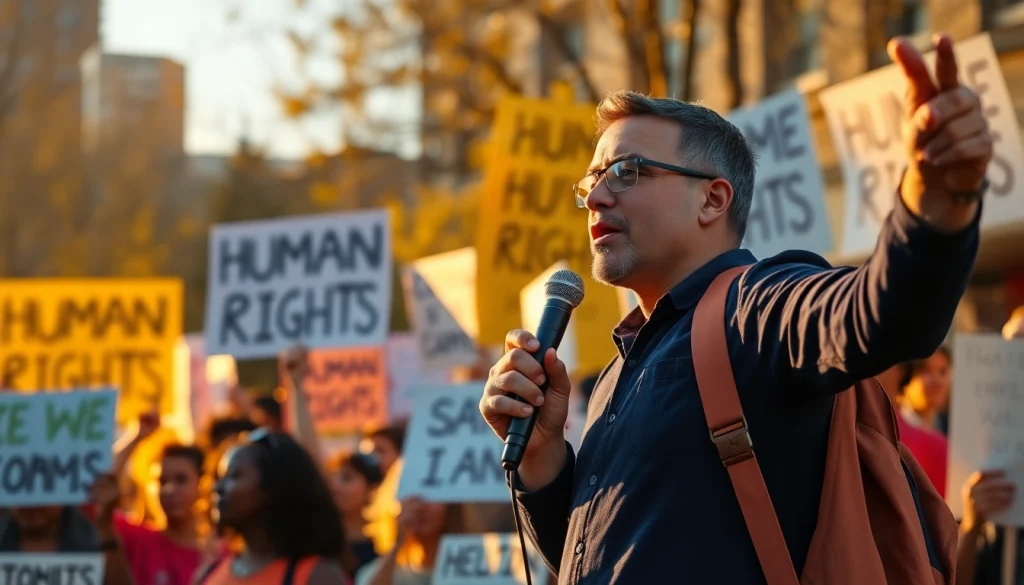
Introduction to Human Rights
Human rights are the fundamental rights and freedoms to which every person is entitled, regardless of nationality, sex, ethnic origin, race, religion, language, or any other status. They encompass a wide array of protections ensuring dignity, freedom, and justice for all individuals. The importance of Human Rights cannot be overstated, as they form the foundation for peaceful societies where everyone can thrive. As we dive deeper into this intricate subject, we will explore various facets, from its historical evolution to current issues, and look ahead to future possibilities.
Understanding human rights is essential in today’s globalized world, where violations remain pervasive. This discussion becomes even more relevant when we recognize the role of various entities, including governments and institutions, in safeguarding these rights. For further insights, you may refer to this Human Rights resource, which delves into leadership and trust within the context of human dignity.
Definition and Importance of Human Rights
Human rights can be defined as the basic rights and freedoms that belong to all individuals simply by being human. These rights include, among others, the right to life, liberty, and personal security; the right to freedom of thought and expression; and the right to education and work. The importance of these rights lies in their universality; they apply equally and universally to everyone without discrimination. Moreover, human rights serve as a crucial framework for justice, empowering individuals against oppression and injustice.
The recognition of human rights is vital for fostering a just society. They empower individuals with the ability to claim their rights and hold governments accountable, laying the foundation for democratization and social progress. The nondiscriminatory nature of human rights ensures that everyone is afforded the same protection and respect, which is essential for societal harmony and cohesion.
Historical Development of Human Rights
The concept of human rights has evolved over centuries, influenced by various philosophical, political, and social movements. Early notions of human rights can be traced back to ancient civilizations, including the Code of Hammurabi and Roman law. However, it wasn’t until the Enlightenment era that human rights began to take a more formal shape. Philosophers like John Locke, Jean-Jacques Rousseau, and Thomas Hobbes highlighted the fundamental rights of individuals.
The pivotal moment in the development of modern human rights was the adoption of the U.S. Declaration of Independence in 1776 and the French Declaration of the Rights of Man and of the Citizen in 1789. These documents articulated the idea that rights are inherent and not granted by the state, thus setting a global standard. Following these declarations, the establishment of various international treaties in the 20th century, including the Universal Declaration of Human Rights in 1948, solidified the global commitment to uphold and protect human rights.
Global Treaties and Frameworks
The framework for global human rights is rooted in various treaties and declarations aimed at protecting and promoting rights across the globe. The United Nations plays a significant role in this regard, with the Universal Declaration of Human Rights serving as a foundational document. It outlines a broad range of rights and freedoms applicable to all humans.
In addition to the Universal Declaration, other key treaties include the International Covenant on Civil and Political Rights (ICCPR) and the International Covenant on Economic, Social and Cultural Rights (ICESCR). These covenants stipulate both civil and political rights as well as economic, social, and cultural rights, respectively, creating a holistic approach to human dignity. Such frameworks foster accountability among nations and offer citizens a legal foundation for protecting their rights.
Current Challenges in Human Rights
Violations Around the World
Despite extensive frameworks and treaties, human rights violations continue to prevail globally. Issues such as police brutality, discrimination based on race or gender, and violations of freedom of expression highlight the ongoing struggle for human rights. Certain countries have been identified as being particularly egregious in their human rights records, with allegations of torture, forced disappearances, and suppression of free speech.
The impact of systemic inequalities, socioeconomic disparities, and conflict can exacerbate these violations. Women, children, minorities, and marginalized communities often face the brunt of human rights abuses in various contexts worldwide. Addressing these violations is paramount for societies seeking true justice and equality.
Impact of Technology on Human Rights
Technology has a profound influence on the landscape of human rights, presenting both opportunities and challenges. On one hand, social media and digital platforms have empowered activists and bolstered movements, providing a voice to those affected by oppression and injustice. Campaigns can gain global traction, leading to significant social changes and legislative reforms.
However, the rapid advancement of technology has also raised concerns regarding privacy, surveillance, and data security. Governments and corporations can misuse technology to infringe upon individual rights, stifling free speech and suppressing dissidence. Moreover, the rise of artificial intelligence poses ethical dilemmas regarding discrimination and accountability. Striking a balance between the positive and negative impacts of technology on human rights remains crucial.
Role of Governments and Institutions
Governments and institutions play a pivotal role in upholding and promoting human rights. They are responsible for implementing laws, policies, and initiatives that protect citizens’ rights while also ensuring accountability for violations. Legislative frameworks embodying human rights principles are crucial for providing citizens with the means to seek justice and redress. Furthermore, international advocacy and pressure from global organizations serve to hold governments accountable.
However, the effectiveness of governments in this regard varies significantly. Some governments actively engage with international human rights mechanisms, while others may resist or undermine these efforts. The effectiveness of human rights institutions is often contingent on political will, resources, and public advocacy.
Human Rights Movements and Advocacy
Key Historical Movements
Throughout history, various movements have emerged advocating for human rights. The abolitionist movement fought against slavery, helping to pave the way for future civil rights advancements. The women’s suffrage movement championed gender equality, leading to women’s voting rights in many parts of the world.
The civil rights movement in the United States during the 1950s and 60s was pivotal in advocating for racial equality and challenging systemic discrimination. More recently, movements like Black Lives Matter and Me Too have gained prominence, focusing on racial justice and gender-based violence, showcasing the continuing relevance and evolution of human rights advocacy.
Modern Advocacy Groups
In the contemporary landscape, various advocacy groups work tirelessly to promote and protect human rights. Organizations such as Amnesty International and Human Rights Watch engage in documenting violations, raising awareness, and lobbying for reforms. Additionally, grassroots organizations play an essential role, often focusing on local issues and advocating for marginalized communities.
Modern advocacy also embraces intersectionality, recognizing that various forms of discrimination can overlap. By addressing issues of gender, race, and socioeconomic status, these organizations strive for a more inclusive and comprehensive human rights agenda.
Case Studies of Change
Effective case studies can illuminate the impact of advocacy in effecting positive change. For instance, the Landless Workers’ Movement in Brazil has successfully advocated for land reform, resulting in significant policy changes that have benefitted marginalized communities. Similarly, the LGBTQ+ rights movement has seen vast progress globally, including the legal recognition of same-sex marriage in many countries, demonstrating how grassroots activism can lead to systemic change.
These success stories highlight not only the potential for progress but also the importance of sustained engagement, awareness, and advocacy in the pursuit of human rights worldwide.
Strategies for Promoting Human Rights
Education and Awareness Programs
One of the most effective strategies for promoting human rights is through education and awareness programs. Initiatives that educate individuals about their rights and the importance of human rights can empower communities and catalyze social movements. Schools, universities, and community organizations often play a crucial role in delivering human rights education, helping to foster a culture of respect and understanding.
Workshops, seminars, and campaigns centered around human rights issues can spark critical discussions and gather support for advocacy initiatives. Additionally, the incorporation of human rights education within formal education systems is vital for nurturing a generation committed to upholding human dignity.
Policy Reforms and Legal Measures
Effective policy reforms and legal measures are essential for the protection and promotion of human rights. Governments must enact and enforce laws that reflect human rights principles, such as anti-discrimination laws and protections for whistleblowers. International treaties can play a crucial role in guiding national legal frameworks, providing benchmarks for best practices.
Furthermore, establishing independent monitoring bodies can ensure accountability and transparency in governance. Such bodies provide critical oversight, helping to expose human rights abuses and ensure that violators are held accountable. By fostering a robust legal environment, societies can work toward securing the human rights of all individuals.
Community Engagement and Empowerment
Engaging and empowering communities is vital for promoting human rights. Community-driven initiatives can help to identify local issues, foster solidarity, and build grassroots movements. Empowering individuals through leadership training, capacity building, and resource access equips them to advocate effectively for their rights.
Additionally, collaboration between various stakeholders, including NGOs, local governments, and community groups, enhances the effectiveness of human rights advocacy. Joint initiatives that center community needs can lead to sustainable change and a more resilient societal framework dedicated to human rights.
The Future of Human Rights
Emerging Trends and Issues
The future of human rights will undoubtedly confront emerging trends and issues that challenge existing frameworks. Climate change, for instance, poses a significant threat to human rights, affecting the right to health, housing, and food security. Advocacy around climate justice is gaining traction as communities demand accountability from corporations and governments.
Moreover, global migration and displacement continue to grow in complexity, necessitating a focus on the rights of refugees and migrants. As societies navigate these issues, the need for adaptive, inclusive human rights frameworks becomes more critical.
The Role of Youth and Future Leaders
The role of youth cannot be understated in the future of human rights. Young people today are increasingly vocal about their rights, leveraging technology and social media to mobilize support and advocate for social change. From climate strikes to gender equality movements, youth engagement holds immense potential for shaping the discourse on human rights.
Investing in youth leadership programs and providing platforms for young advocates can amplify their voices and ensure sustainable advocacy efforts. As the future leaders of tomorrow, empowering youth is essential for continued progress in human rights.
Call to Action: How to Get Involved
Getting involved in the promotion of human rights can take many forms. Individuals can participate in local and global advocacy efforts, whether by joining established organizations, volunteering, or creating awareness through social media campaigns. Supporting fair policies, advocating for legislative reforms, and engaging in discussions related to human rights issues can amplify collective efforts.
Moreover, educating oneself and others about current human rights challenges and organizations tackling these issues is crucial. Each person can make a difference, and together, these efforts can lead to greater accountability, justice, and respect for human rights globally.
Frequently Asked Questions
What are human rights?
Human rights are fundamental rights and freedoms that every person is entitled to, such as the right to life, liberty, and express oneself without discrimination.
Why are human rights important?
Human rights ensure dignity, justice, and equality for all, providing a foundation for democratic societies and protection against oppression.
How do human rights develop historically?
The historical development of human rights evolved through philosophical movements, international declarations, and treaties advocating for individual freedoms and dignity.
What are the current challenges to human rights?
Current challenges include systemic violations, digital surveillance, and discrimination, which undermine individual rights and freedoms globally.
How can I help promote human rights?
You can promote human rights by educating yourself and others, engaging in advocacy, supporting organizations, and raising awareness about important issues.