
Understanding the Role of a Warehouse in Supply Chain Management
What is a Warehouse?
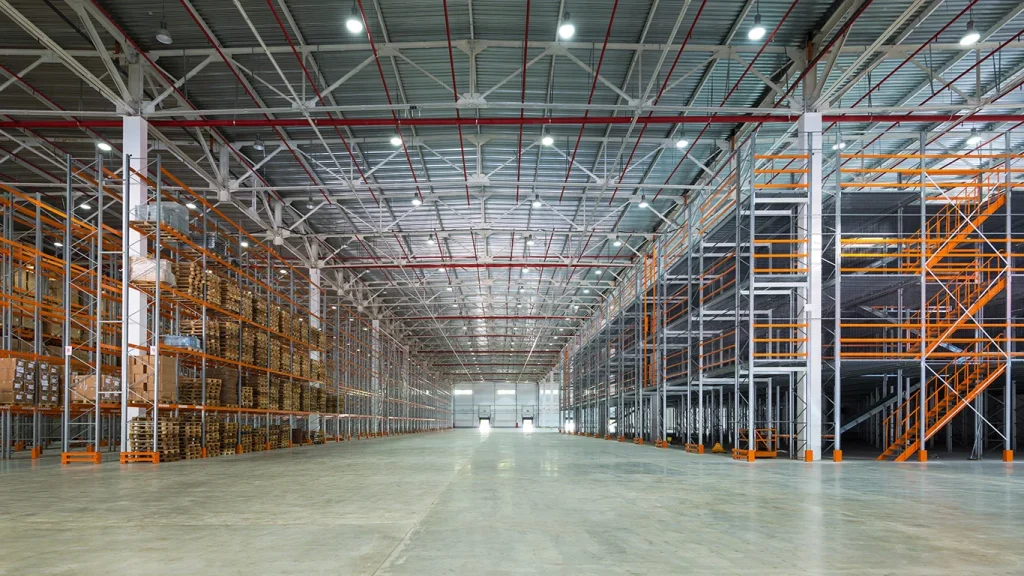
A warehouse is a building designed for storing goods. This essential component of supply chain management serves various industries, including manufacturing, wholesaling, and distribution. Warehouses are not merely large storage spaces; they are complex operations that facilitate the movement of goods from manufacturers to consumers, acting as the backbone of logistics and inventory management.
In essence, warehouses bridge the gap between production and consumption, providing a place for products to be stored until they are transported to their final destination. They come equipped with various features that enhance efficiency, facilitate inventory management, and ensure the safety of stored goods.
Types of Warehouses
There are several types of warehouses tailored to meet specific needs. Understanding these types is crucial for selecting the right warehousing solution for a business.
- Public Warehouses: These are operated as independent businesses renting space to multiple clients, offering flexible service plans.
- Private Warehouses: Owned and operated by a company to manage its own inventory, often resulting in lower long-term costs.
- Distribution Centers: Focused on the rapid movement of goods rather than long-term storage, these facilities are critical in e-commerce and retail supply chains.
- Automated Warehouses: Equipped with advanced technology to automate processes, from storage to retrieval, improving efficiency and accuracy.
- Cold Storage Warehouses: Specialized for storing perishable goods at controlled temperatures, crucial for food and pharmaceutical industries.
The Importance of Logistics in Warehouse Management
Logistics play a vital role in warehouse management, influencing various aspects including inventory control, order fulfillment, and transportation. Effective logistics ensure that the right products are available at the right time while minimizing costs. Key logistical practices include:
- Inventory Management: Tracking and managing stock levels to prevent overstocking or stockouts.
- Order Processing: Efficient systems for picking, packing, and shipping orders promptly.
- Transportation Optimization: Coordinating deliveries and pickups to streamline movement in and out of the warehouse.
Key Features of Modern Warehouses
Technological Innovations in Warehouse Operations
The landscape of warehousing is rapidly evolving due to technological advancements. Integrating technology enhances efficiency, reduces costs, and improves service levels significantly. Key innovations include:
- Warehouse Management Systems (WMS): Software that facilitates inventory tracking, order management, and reporting.
- Automated Guided Vehicles (AGVs): These self-driving vehicles assist in transporting goods throughout the warehouse.
- RFID Technology: Radio-frequency identification tags enhance inventory visibility and accuracy in tracking products.
- Drones: Used for inventory management and monitoring, drones can quickly survey large warehouses.
Warehouse Layout and Design Principles
Effective warehouse layout and design enhance operational efficiency through strategic planning. Several design principles to consider include:
- Flow Optimization: The warehouse should facilitate smooth movement from receiving to storage to shipping.
- Space Utilization: Maximizing vertical space with high shelving can increase storage capacity without expanding the footprint.
- Access Points: Multiple access points improve freight movement and reduce congestion.
Safety Standards and Regulations for Warehouses
Ensuring the safety of personnel and goods in warehouses is paramount. Adhering to safety standards and regulations helps mitigate hazards. Key safety measures include:
- Regular Training: Continual safety training ensures workers understand protocols and emergency procedures.
- Equipment Checks: Routine inspections of storage equipment and machinery improve safety and reduce accidents.
- Hazard Identification: Establishing protocols for identifying and addressing potential hazards within the workplace.
Effective Warehouse Management Strategies
Implementing a Warehouse Management System (WMS)
A Warehouse Management System (WMS) is an indispensable tool for modern warehouse management. A robust WMS improves visibility, accuracy, and efficiency across warehouse operations. Key steps for implementing a WMS include:
- Determine specific needs based on volume, types of products, and existing processes.
- Choose the right software that aligns with business requirements and budgets.
- Train staff thoroughly to ensure seamless adoption and utilization of the system.
- Monitor performance regularly and adjust settings or processes as necessary for improvement.
Best Practices for Inventory Control
Inventory control ensures that a business maintains optimum stock levels while minimizing costs and avoiding stockouts. Key best practices include:
- Regular Audits: Frequent checks and audits help maintain accuracy in inventory records.
- ABC Analysis: Categorizing inventory into three groups (A, B, C) helps focus efforts and resources effectively.
- Forecasting: Utilize sales trends and market data to anticipate inventory needs and adjust orders accordingly.
Employee Training and Development in Warehouse Operations
Investing in employee training is critical for ensuring high productivity and safety standards in warehouse operations. Effective training programs should include:
- Technical Skills: Training on the use of equipment, software, and safety protocols.
- Soft Skills: Focus on teamwork, communication, and problem-solving skills enhances operational efficiency.
- Continual Learning: Regular workshops and refreshers keep staff updated on best practices and emerging trends.
Challenges Faced by Warehouse Operators
Common Issues in Warehouse Operations
Warehouse operators often face several challenges that can hinder productivity and efficiency. Common issues include:
- Inventory Discrepancies: Inaccuracies in inventory tracking can lead to lost sales and customer dissatisfaction.
- Space Constraints: Limited space can hinder operations and necessitate additional investment.
- Employee Turnover: High turnover rates can lead to a skills gap and impact overall operations.
Strategies for Overcoming Operational Hurdles
To address the challenges faced in warehouse operations, consider the following strategies:
- Technological Investments: Implementing WMS and inventory management systems can alleviate discrepancies and streamline operations.
- Flexible Space Management: Using vertical storage solutions can optimize space usage effectively.
- Retention Programs: Investing in employee satisfaction and development can reduce turnover rates.
Cost Management in Warehouse Functionality
Managing costs is essential for maintaining profitability in warehouse operations. Approaches to effective cost management include:
- Analyze Operational Costs: Monitor and assess logistical costs to identify areas for cost reduction.
- Negotiate Supplier Contracts: Ensuring favorable terms for supply contracts can lower procurement costs.
- Energy Efficiency: Implementing energy-saving solutions reduces overhead expenses.
The Future of Warehousing: Trends and Predictions
Automation and Robotics in Warehousing
The rise of automation is revolutionizing warehouse operations. Robotics and automation technologies enhance efficiency by eliminating repetitive tasks. Future trends may include:
- Increased Use of AI: AI applications in logistics improve demand forecasting and resource allocation.
- Robotic Picking Systems: Robots are increasingly capable of handling complex picking tasks, improving accuracy and speed.
- Integration with IoT: The Internet of Things (IoT) will enable better data tracking and real-time monitoring of warehouse operations.
Sustainability Practices in Warehouse Operations
Sustainability is becoming a crucial focus for businesses, including warehouses. Sustainable practices may involve:
- Energy-efficient Equipment: Using energy-efficient lighting and machinery reduces overall energy consumption.
- Eco-friendly Packaging: Emphasizing sustainable materials in packaging not only helps the environment but also appeals to eco-conscious consumers.
- Waste Reduction Strategies: Implementing recycling and waste management programs reduces the environmental footprint of warehouse operations.
Adapting to E-commerce and Changing Consumer Demands
The growth of e-commerce is reshaping warehousing and logistics significantly. Adapting to these changes requires:
- Speed and Efficiency: Enhancing systems to ensure faster order fulfillment is essential for meeting consumer expectations.
- Last-Mile Delivery Solutions: Developing effective last-mile delivery strategies is crucial in the evolving e-commerce landscape.
- Personalization: Adopting strategies that enable personalized customer experiences enhances competitiveness.