
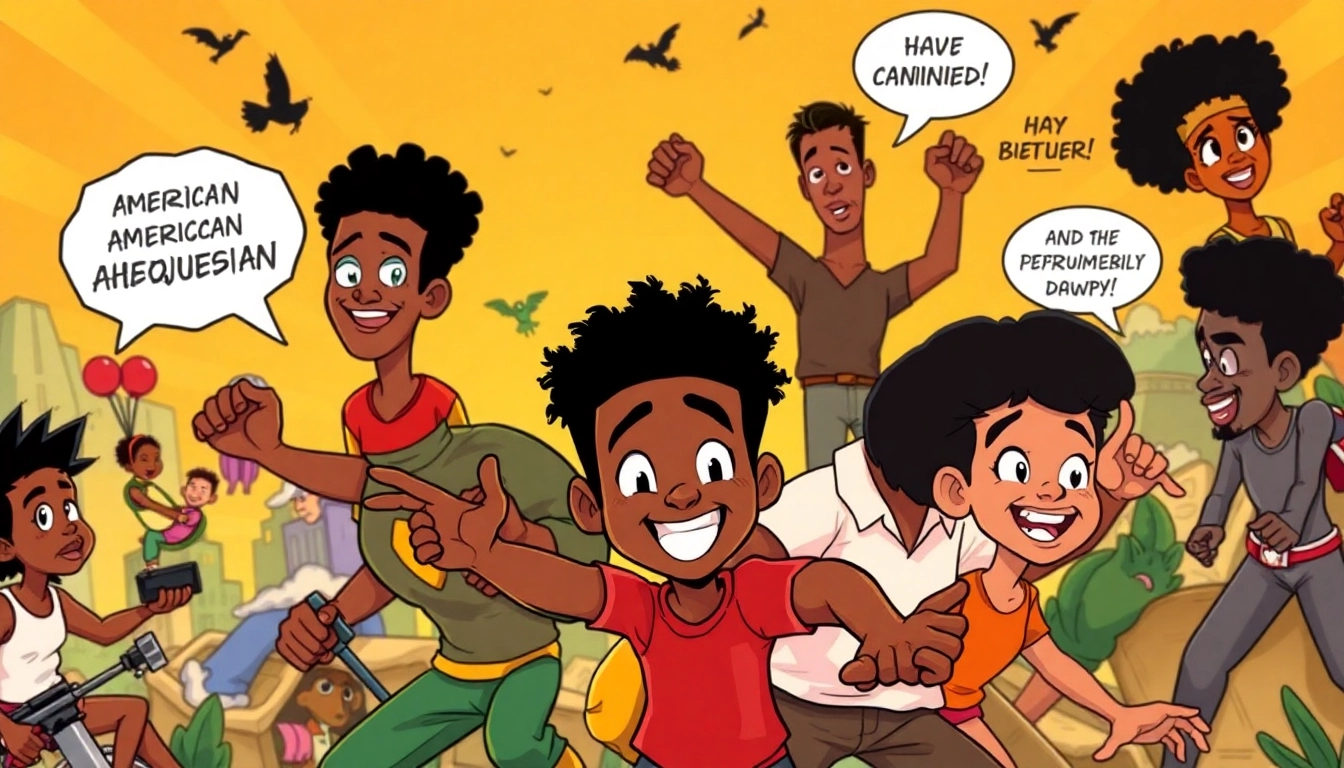
Understanding African American Cartoons Evolution
The realm of animation has seen a significant evolution over the decades, reflecting societal changes, cultural consciousness, and the ongoing pursuit of representation. African American Cartoons occupy a pivotal space in this narrative, highlighting the creativity and cultural narratives that resonate with diverse audiences. This exploration of African American cartoons is not just about entertainment but also about understanding their historical and cultural significance in shaping perceptions and fostering inclusivity.
Historical Context of Animated Representation
From the early days of animation, Black characters were often relegated to stereotypical roles, often depicted through caricatures that reinforced harmful narratives. During the 1920s and 30s, characters like "Jasper" and "Mammy" appeared in animations, reflecting the pervasive racial stereotypes of the time. It wasn't until the 1970s that more nuanced representations began to emerge, with shows such as "Fat Albert and the Cosby Kids" that celebrated African American culture and experiences.
Key Milestones in African American Animation
Several milestones mark the progress of African American representation in animation. The introduction of "The Boondocks" in the early 2000s pushed boundaries with its sharp political commentary and satirical take on race relations in America. Furthermore, "The Proud Family" was groundbreaking for showcasing a Black family in a positive light, combining humor with real-life social issues. These series not only entertained but also educated audiences on critical social themes, paving the way for future creations.
Impact of Culture on Cartoon Narratives
The narratives within African American cartoons are often deeply intertwined with cultural heritage and contemporary issues. Many series tackle social justice themes, community values, and identity crises faced by African Americans. For example, "Craig of the Creek" introduces viewers to relatable storylines while promoting the importance of friendship and cultural identity, framing these themes in an accessible manner for younger audiences.
Top African American Cartoons for All Ages
Iconic Series from the 90s to Present
The 90s and early 2000s were golden decades for African American cartoons, producing iconic shows that remain beloved today. "The Proud Family," which aired in 2001, not only entertained but also influenced a generation of viewers with its rich storytelling and representation. Likewise, "Static Shock" portrayed a teenage superhero navigating his powers while addressing social issues like racism and inequality. These shows set a precedent for future content creators to explore meaningful themes through animation.
Emerging Titles Making Waves in 2026
As we look forward to 2026, new titles are emerging that continue to foster representation and diversity. "Young Justice: Phantoms," for example, integrates diverse characters and storylines, appealing to both younger viewers and those looking for sophisticated plots. Additionally, series like "Maya and the Three" showcase unique cultural narratives that resonate globally, emphasizing the importance of diverse storytelling in animated formats.
Crossover Hits That Blend Cultures
In recent years, cross-cultural collaborations have led to the creation of animated series that merge various cultural influences. "Carmen Sandiego," while not exclusively focused on African American experience, features a diverse cast and incorporates elements from different cultures around the world. This blending allows for a richer viewing experience and promotes understanding among viewers of varying backgrounds.
The Importance of Representation in Animation
Why Diversity Matters in Children's Media
Representation in children's media is critically important as it influences young viewers' understanding of the world. Diverse characters help children from various backgrounds feel seen and foster empathy in those who may not share the same experiences. Shows that feature African American characters allow children to learn about different cultures and perspectives, enriching their understanding of diversity from an early age.
Real-World Impact of Positive Role Models
Positive role models in animation can significantly impact children's self-esteem and aspirations. Characters like Doc McStuffins, a young African American girl who aspires to be a doctor, provide inspiration and relatability. These representations empower children by showing them that they can achieve their dreams, regardless of societal limitations.
Community Feedback on Representation
Audience feedback plays a vital role in the success of animated series aimed at depicting African American experiences. Community engagement helps creators understand the importance of authenticity and relatability in storytelling. Social media platforms and forums have become spaces where viewers express their views, promoting dialogue about representation and encouraging networks to produce more diverse content.
Behind the Scenes: Creation of African American Cartoons
Notable Creators and Their Contributions
Many talented creators have shaped the landscape of African American animation. Figures like Aaron McGruder, the creator of "The Boondocks," and Bruce W. Smith, who developed "The Proud Family," have made significant contributions that challenge stereotypes and foster dialogue. These creators bring their unique experiences and perspectives, which enrich the narratives and artistic styles of their projects.
Challenges Faced in the Animation Industry
Despite progress, many challenges persist within the animation industry regarding representation. Financial constraints, market demand for certain types of content, and the systemic barriers in Hollywood often hinder the production of diverse animated series. Additionally, there can be pressure to conform to established norms, which can stifle innovation and risk-taking in storytelling.
Technological Advances Influencing Modern Animation
Technological advancements have transformed the animation landscape, allowing for more diverse storytelling and artistic expression. With the rise of digital animation tools and platforms, creators can experiment with styles that better reflect their cultural backgrounds. The accessibility of streaming services has also democratized the industry, enabling more voices to emerge and reach wider audiences.
Future Trends in African American Animation
Predictions for Upcoming Animated Series
Looking ahead, the future of African American animation appears promising. With audiences increasingly demanding diversity in media, we can expect to see more series that highlight African American experiences, further challenging historical stereotypes and crafting authentic stories. Additionally, children's programming is likely to incorporate more complex narratives that resonate with social justice themes and cultural pride.
How Technology Will Shape New Stories
As technology continues to evolve, it will undoubtedly influence the storytelling in animated series. Virtual reality and augmented reality may play roles in creating immersive experiences that engage viewers in new ways. Furthermore, advancements in animation software will allow for unique artistic styles that reflect the multifaceted nature of African American culture.
Role of Streaming Services in Promoting Diversity
Streaming platforms like Netflix, Hulu, and others have become vital for promoting diverse content. With their ability to reach global audiences, these services can showcase African American cartoons that might not have thrived in traditional broadcasting. As more networks recognize the importance of diverse programming, we can anticipate an increase in support for creators focusing on African American narratives.