
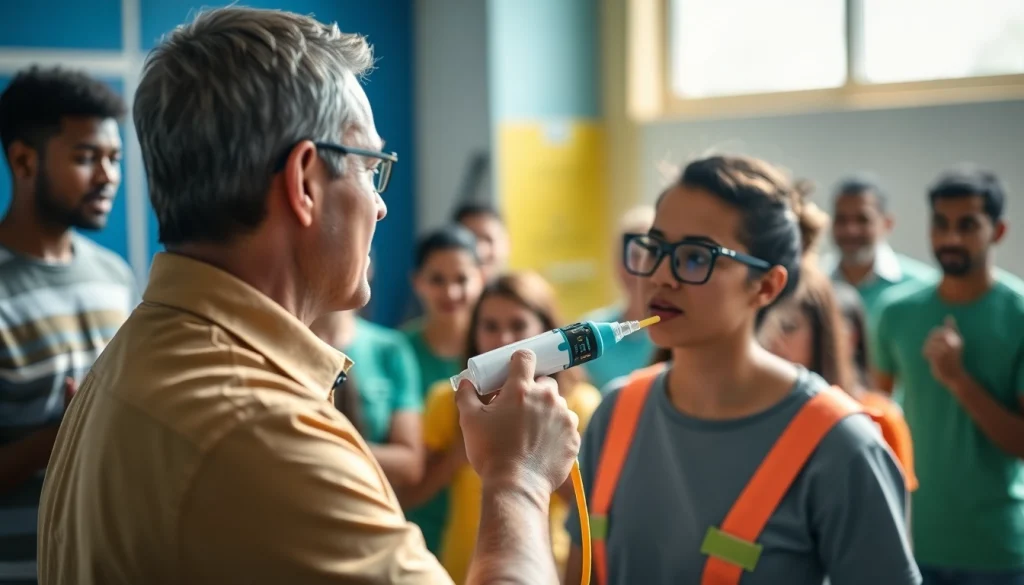
Understanding Choking Devices and Their Importance
Choking is an unexpected yet prevalent emergency that can affect anyone, and having a reliable choking device can make the difference between life and death. Increasing awareness surrounding the significance of choking devices is crucial, as these lifesaving tools can quickly clear an obstructed airway, buying precious seconds until emergency medical assistance arrives. To navigate this critical life skill, we must dive into what choking devices are, the various types available, and the statistics that underscore their importance.
Definition of Choking Device
A choking device is any tool designed to assist individuals in managing choking emergencies. While many might immediately think of the Heimlich maneuver or manual techniques, choking devices can include specialized equipment, such as suction devices or inflatable bag masks. The essence of these devices lies in their ability to create pressure or provide assistance that helps dislodge an object blocking a person’s airway. Understanding the types of choking devices and the situations in which they serve best is vital for everyone, especially healthcare professionals and caregivers.
Types of Choking Devices Available
Choking devices come in various forms, suited for different needs and situations. Below are some of the most common types:
- Heimlich Maneuver Training Devices: Many manufacturers create devices to assist in training individuals on the Heimlich maneuver, allowing for a repeated practice to ensure the user can perform the technique effectively.
- Suction Devices: Portable suction devices can be critical in scenarios where traditional methods may not apply, especially with infants or patients with disabilities.
- Airway Management Equipment: Items like bag-valve masks (BVM) are designed to provide positive pressure ventilation, often used in professionals’ hands, like paramedics.
- DIY Choking Devices: In some emergencies, improvised tools, such as a sturdy piece of wood or plastic can be used to aid in choking situations. Awareness of safe usage can expand the options during a crisis.
Statistics on Choking Incidents
The statistics regarding choking incidents paint a sobering picture. According to the Centers for Disease Control and Prevention (CDC), approximately 5,000 people in the U.S. die each year from choking. Children under the age of three are disproportionately affected, illustrating the critical need for prevention and immediate response measures. The National Safety Council (NSC) underscores the importance of awareness and preparedness, highlighting that awareness reduces fatalities caused by choking. Effective public education on choking hazards and how to use choking devices can significantly lower these statistics.
How to Select the Right Choking Device
Choosing the appropriate choking device isn’t a one-size-fits-all decision; it requires careful consideration of several factors tailored to individual needs. Selecting the right device could prove lifesaving, thus understanding various aspects is essential.
Factors to Consider When Choosing
When considering a choking device, several factors should guide your selection:
- Intended Audience: Determine who will be using the device. Devices appropriate for adults may not be suitable for children, and vice versa.
- Environment of Use: Think about where the choking device will primarily be used—home, school, or in public places. Some devices might be more portable or user-friendly, making them suitable for mobile situations.
- Ease of Use: Ensure that the device can be used quickly and efficiently in emergencies. Training sessions and hands-on experiences can improve comfort and familiarity.
- Regulatory Standards: Verify that the device meets safety certifications and adherence to health regulations to ensure it functions effectively when needed.
Comparing Different Brands and Models
Researching different brands and models of choking devices allows users to understand better the available options. Consider reading reviews and comparing features. Some reputable brands may offer advanced features, long warranties, and better customer support, analyzing these factors can aid in making an informed choice.
Cost-effectiveness and Quality Control
When selecting a choking device, balancing cost-effectiveness and quality is crucial. While it may be tempting to opt for a cheaper alternative, quality can significantly affect performance in an emergency. Always prioritize devices that have passed rigorous testing and quality control standards, even if it means investing a bit more upfront. The peace of mind knowing that you have a reliable device far outstrips potential savings.
Proper Techniques for Using a Choking Device
Understanding how to use a choking device properly significantly influences the effectiveness of the response in a choking situation. Learning the appropriate techniques, paired with regular practice, ensures rapid and decisive action when seconds matter most.
Step-by-Step Instructions
Having a step-by-step guide on using a choking device can be invaluable. Below are general guidelines that should accompany most choking devices:
- Assess the Situation: Confirm that the person is indeed choking and cannot speak, cough, or breathe. Make sure your approach is calm to reduce panic.
- Activate Emergency Protocol: If the situation demands it, call 911 or have someone else do so while you prepare to assist.
- Apply the Device: Depending on the device being used, follow the manufacturer’s instructions closely. It’s vital that you’re familiar with the equipment before the need arises.
- Reassess After Each Attempt: After using the choking device, quickly reassess the person’s condition and respond accordingly. If the object has not dislodged, repeat the necessary steps as needed.
Common Mistakes to Avoid
Even well-meaning attempts can lead to inadequate actions or injury during a choking emergency. Here are some common pitfalls to avoid:
- Panicking: Remaining calm is crucial. If you panic, the person in distress may experience increased anxiety, complicating the situation.
- Ineffective Techniques: Failing to use a choking device as intended can lead to ineffective results. Training is recommended to ensure proper usage.
- Neglecting Training: Regularly attend real-life practice sessions to remain confident and capable of using a choking device effectively.
Practical Exercises for Training
Practical training sessions provide hands-on experience, which greatly aids in developing the necessary muscle memory and quick response skills. Consider the following practices:
- Role-playing Scenarios: Practice responses with partners in simulated choking situations to develop comfort and fluency in executing the device’s usage.
- Classes and Workshops: Enroll in certified courses that teach choking emergency response, which often includes using choking devices as part of the training.
- Drills: Implement regular emergency drills in households, schools, or workplaces to reinforce readiness.
Legal Considerations and Liability Issues
Using a choking device also brings legal considerations into play. Understanding the associated laws and regulations can empower individuals and caregivers to act confidently in emergencies without the fear of repercussions.
Understanding Good Samaritan Laws
Good Samaritan laws exist to protect individuals who provide assistance during emergencies, including choking incidents, from legal liability. These laws vary by state, so understanding your local laws can clarify what protections exist for laypersons administering aid. Familiarize yourself with your area’s statutes to ensure you feel comfortable taking necessary actions.
Insurance Implications for Users and Trainers
Insurance can play a complex role in choking incident situations. Consider the implications of having a choking device, particularly if you are a caregiver or a trainer. Liability insurance may be beneficial for those in professional settings, providing coverage in case of unforeseen situations.
Compliance with Safety Regulations
Ensuring that the chosen choking device complies with relevant safety regulations is vital. Local and state health codes may dictate specific equipment and training protocols for caregivers in commercial and residential settings. Always stay informed about existing regulations to ensure compliance and maintain safety standards.
Future Trends in Choking Device Technology
The landscape for choking device technology is evolving rapidly as innovations emerge, making devices more efficient and user-friendly. Keeping abreast of these trends can help individuals select equipment that aligns with the best practices in choking management.
Innovations to Improve Safety
Advancements in choking device technology focus on enhancing reliability, ease of use, and accessibility. Newer designs may include automated features that assist users, such as audible prompts guiding the steps for assistance. This automation reduces the manual burden on users and ensures that everyone can effectively respond to choking situations.
Integration of Technology in Emergency Responses
Smart technology ingrains its place within choking response methods. Integration of applications that allow users to receive guidance through audio and video during emergencies is becoming more common. Such tools enable real-time support, enhancing user confidence when applying choking techniques or devices.
Consumer Feedback and Changing Needs
As consumer needs evolve, so do expectations regarding choking devices. Feedback from users is paramount in shaping future versions of these devices. Manufacturers inherently rely on this feedback to tailor their products more appropriately to the target audience. Companies that actively solicit input often rise to the forefront of innovation.