Understanding Custom Steel Fabrication
In an era where precision and quality are paramount, custom steel fabrication has emerged as a vital solution for various industries. This intricate process combines engineering expertise with advanced technology to create bespoke steel products that meet specific requirements. Whether it’s for commercial constructions or intricate designs, understanding custom steel fabrication is essential for anyone looking to leverage its benefits.
What is Custom Steel Fabrication?
Custom steel fabrication refers to the processes and techniques involved in creating unique steel structures and components tailored to the specifications of a client. Unlike mass-produced steel items, custom fabrication allows for modifications in size, shape, and design, ensuring that the final product is aligned perfectly with its intended application. This custom approach not only enhances functionality but also improves aesthetics, making it an ideal choice for countless projects.
Key Processes in Steel Fabrication
The main processes in steel fabrication include:
- Cutting: The first step in creating a bespoke steel piece, cutting can be done using various methods including saws, lasers, or plasma torches, depending on the required precision and material thickness.
- Forming: This process involves shaping steel into desired forms through methods like bending, punching, or rolling, which allows for greater versatility in design.
- Welding: This critical step joins the steel parts together and can be accomplished through various welding techniques, each suitable for different applications.
- Finishing: After assembly, finishing techniques such as coating, painting, or galvanizing protect the steel from corrosion and enhance its visual appeal.
Benefits of Custom Solutions
The value of custom steel fabrication goes beyond mere aesthetics. Some benefits include:
- Tailored Fit: Custom solutions ensure that the steel components fit precisely into the architectural or structural framework, thus minimizing adjustments during installation.
- Enhanced Performance: Customized designs can improve the overall performance of steel structures by considering factors like load, stress, and environmental exposure.
- Unique Designs: Creativity knows no bounds when it comes to custom fabrication. This allows architects and designers to create innovative, eye-catching structures.
Essential Techniques for Custom Steel Fabrication
Welding Types and Their Applications
Welding is a fundamental aspect of steel fabrication, playing a crucial role in ensuring strength and durability. Various welding methods include:
- MIG Welding (Metal Inert Gas): This method is known for its speed and versatility, making it suitable for projects requiring high productivity.
- TIG Welding (Tungsten Inert Gas): Ideal for thin materials, TIG welding provides high precision and is often used in projects requiring aesthetic appeal.
- Stick Welding: A more traditional method, stick welding is often used in outdoor applications due to its resistance to winds and drafts.
Cutting Techniques for Steel Material
Choosing the correct cutting technique is pivotal for effective fabrication. Common methods include:
- Laser Cutting: Provides high precision, suitable for intricate designs.
- Plasma Cutting: Effective for thicker materials, offering speed and versatility.
- Waterjet Cutting: Utilizes high-pressure water to cut steel without altering its structural integrity.
Assembly Methods and Best Practices
After fabrication, assembling the components is essential. Best practices include:
- Ensuring all parts are clean and free from debris before assembly to promote quality welds.
- Using fixtures and jigs to stabilize components during the welding process, maintaining control over alignment and accuracy.
- Regularly inspecting welds and joinery to ensure the structural integrity of the assembly.
Industries Benefiting from Custom Steel Fabrication
Construction and Architecture
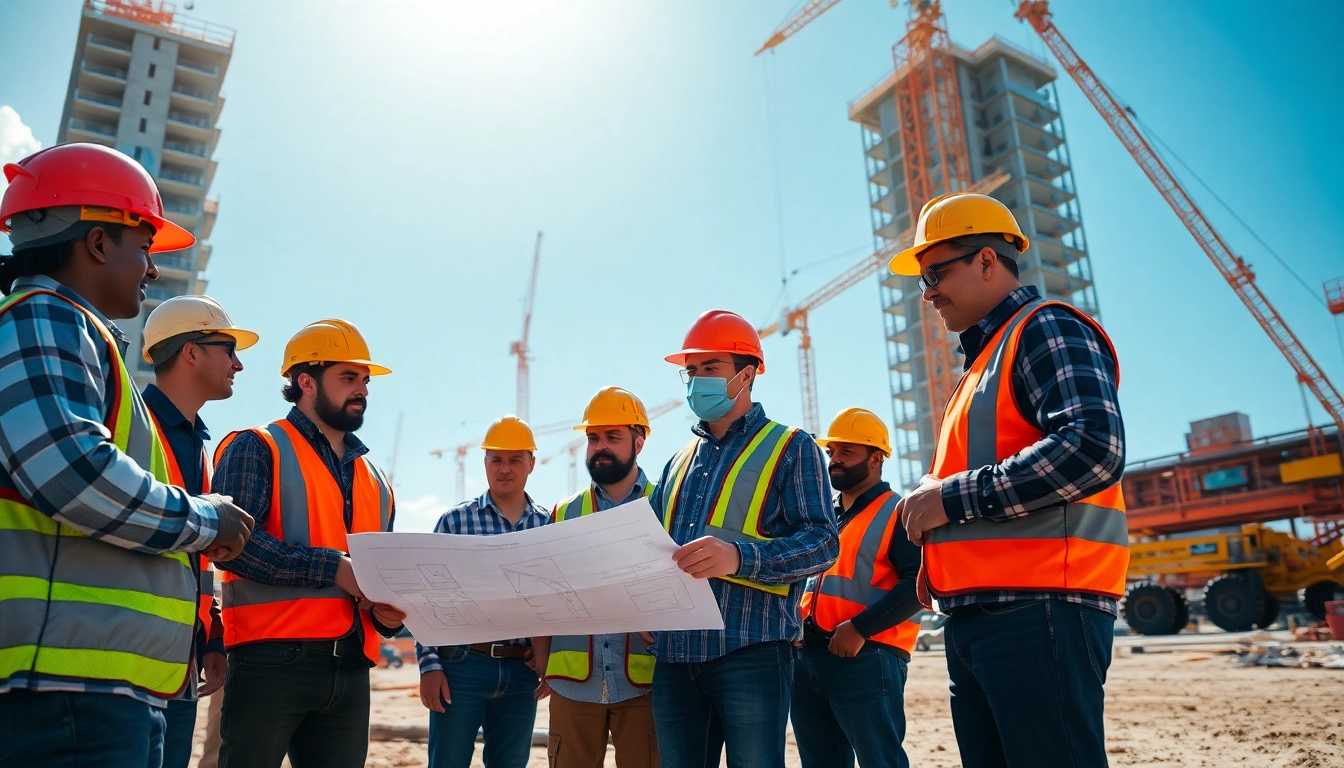
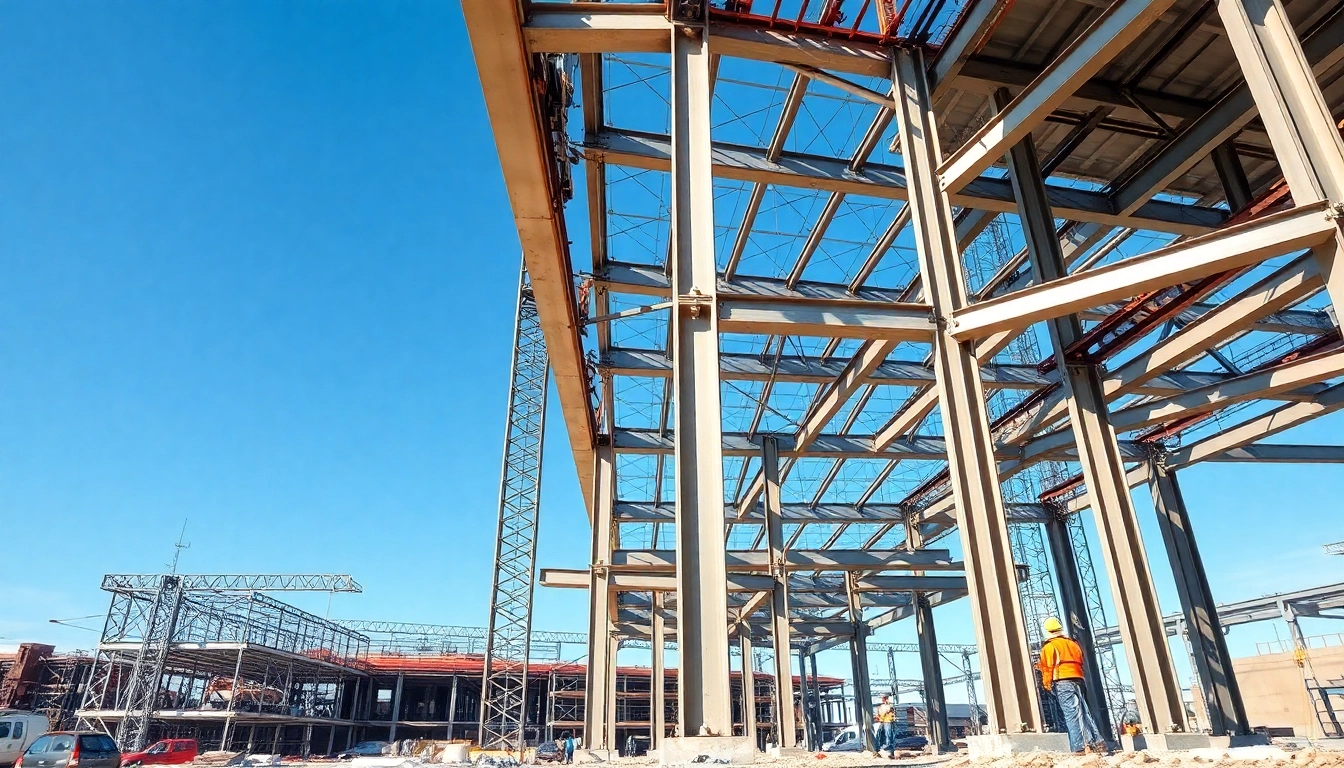
In construction, custom steel fabrication plays an essential role, providing structural steel beams, staircases, and decorative elements that elevate architectural designs. The aesthetic flexibility alongside robust performance enables architects to innovate while meeting structural requirements.
Aerospace and Automotive Applications
In these high-stakes industries, precision and weight reduction are critical. Custom steel fabrication allows for the creation of components that meet exact specifications, ensuring safety and efficiency. Examples include brackets, frames, and exhaust systems, where even minor imperfections can lead to severe consequences.
Art and Design in Steel Fabrication
Steel’s versatility and strength open pathways for artistic expression. Artists and designers leverage custom steel fabrication for sculptures, installations, and bespoke furniture, showcasing creativity while maintaining durability. Notable installations often highlight the beauty of steel through intricate artistic techniques combined with functional design.
Choosing the Right Custom Steel Fabrication Partner
Evaluating Experience and Expertise
Selecting a fabrication partner requires careful consideration of their experience. Inquire about previous projects, their manufacturing processes, and their familiarity with specific materials. A robust portfolio not only reflects competence but also provides insights into their ability to manage designs and challenges effectively.
Quality Assurance in Steel Fabrication
Quality must remain a priority throughout all fabrication processes. Look for partners who implement rigorous quality control measures, including inspections and certifications for their products. Compliance with industry standards such as ISO ensures that the fabrication adheres to appropriate guidelines, providing peace of mind on safety and performance.
Cost Considerations: What to Expect
Understanding pricing structures in custom steel fabrication is critical. Cost components may include material selection, complexity of design, and labor intensity. Transparency within the pricing process is essential; hence, solicit detailed quotes that break down these factors, allowing for a clear comparison of fabricators.
Future Trends in Custom Steel Fabrication
Sustainability in Steel Production
As industries shift towards greener practices, sustainability in steel fabrication gains prominence. Emphasis on recycling steel, reducing waste, and utilizing energy-efficient processes will likely influence the direction of custom fabrication in the coming years. Eco-friendly materials and practices resonate with consumers and companies alike, leading to innovative solutions that prioritize planetary health.
Technological Innovations in Fabrication
Technological advancements such as robotic welding, additive manufacturing (3D printing), and AI-driven design are revolutionizing the fabrication landscape. These innovations enhance accuracy, reduce production times, and significantly lower costs, making custom steel fabrication more accessible and efficient.
Impact of Industry 4.0 on Fabrication Processes
The advent of Industry 4.0 introduces smart technologies to the fabrication environment. IoT-enabled machines share real-time data, facilitating predictive maintenance and optimizing production lines. This increased connectivity and automation lead to enhanced efficiency, reduced downtime, and better overall product quality. As these technologies become mainstream, businesses that adapt will position themselves as leaders in the custom steel fabrication sector.